Thiene Castle between technology and history
The future of Italian Historic Houses: the Castle of Thiene between technology and history
The cultural heritage of the Veneto Region is enriched by technological innovations that make Italian Historic Houses increasingly accessible and engaging.
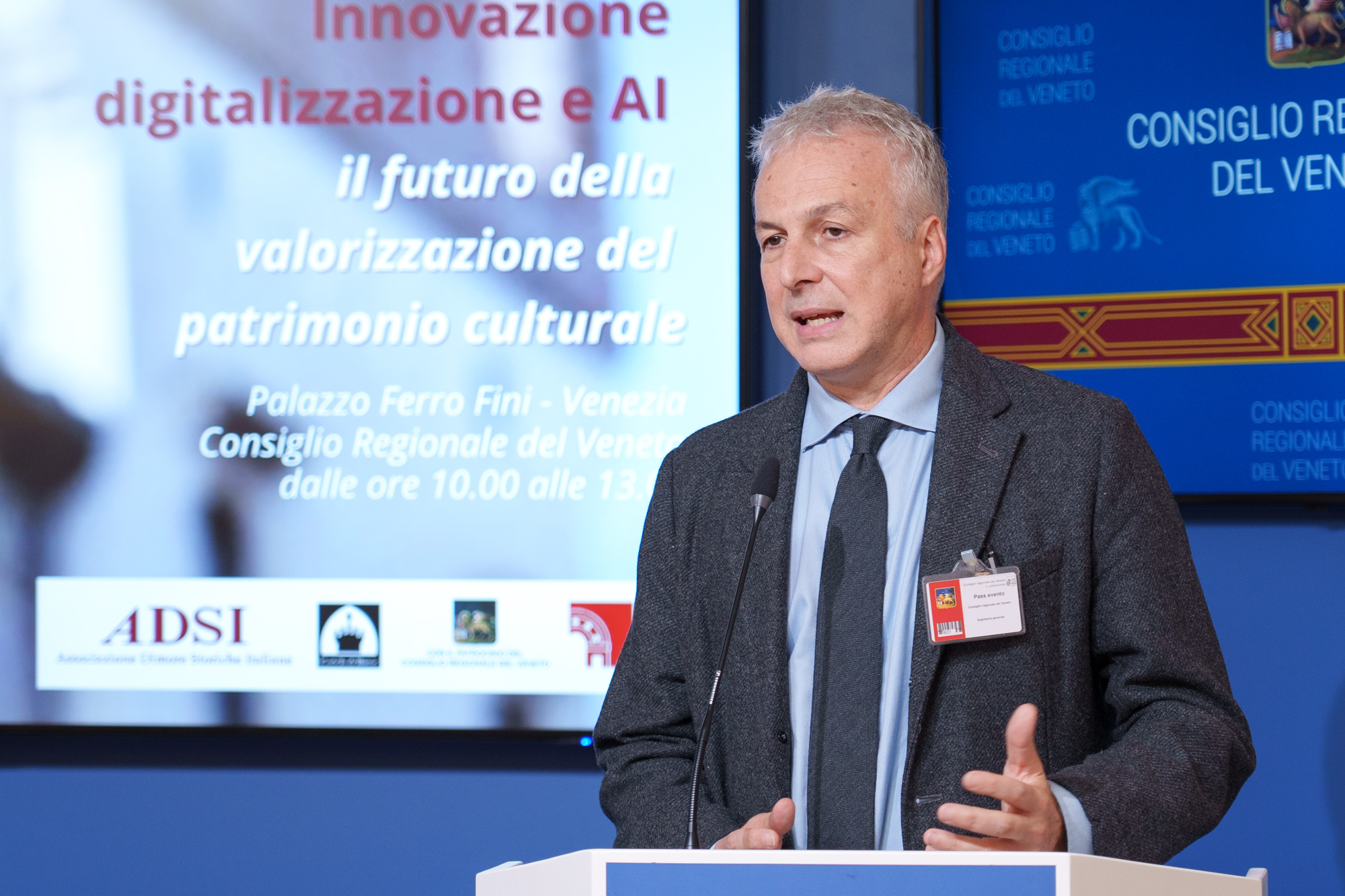
At the recent conference “Innovation, Digitization and AI, the Future of Cultural Heritage Enhancement” held at Palazzo Ferro-Fini in Venice, organized by the Associazione Dimore Storiche Italiane (ADSI) in collaboration with Thiene Castle and under the patronage of the Istituto Regionale Ville Venete (IRVV) and the Veneto Regional Council, they discussed how tools such as artificial intelligence and augmented reality can completely transform the visiting experience.
One example of this is Thiene Castle, a historic villa from the pre-Palladian era located in the Pedemontana Veneta area, about 20 kilometers from Marostica and Bassano del Grappa.
Thiene Castle: an immersive experience with magic mirrors
Thiene Castle has opened its doors to technological innovation. Thanks to the will of Francesca di Thiene, co-owner of the Castle, an interactive pathway using augmented reality and artificial intelligence was inaugurated last September. Indeed, Francesca explains how this choral project was designed to attract tourists, especially foreigners, and encourage an immersive and experiential visit.
“We decided to embrace technology to offer our visitors a unique and immersive experience: an innovative path where augmented reality merges with animated mirrors that reveal tales and anecdotes from past eras.”
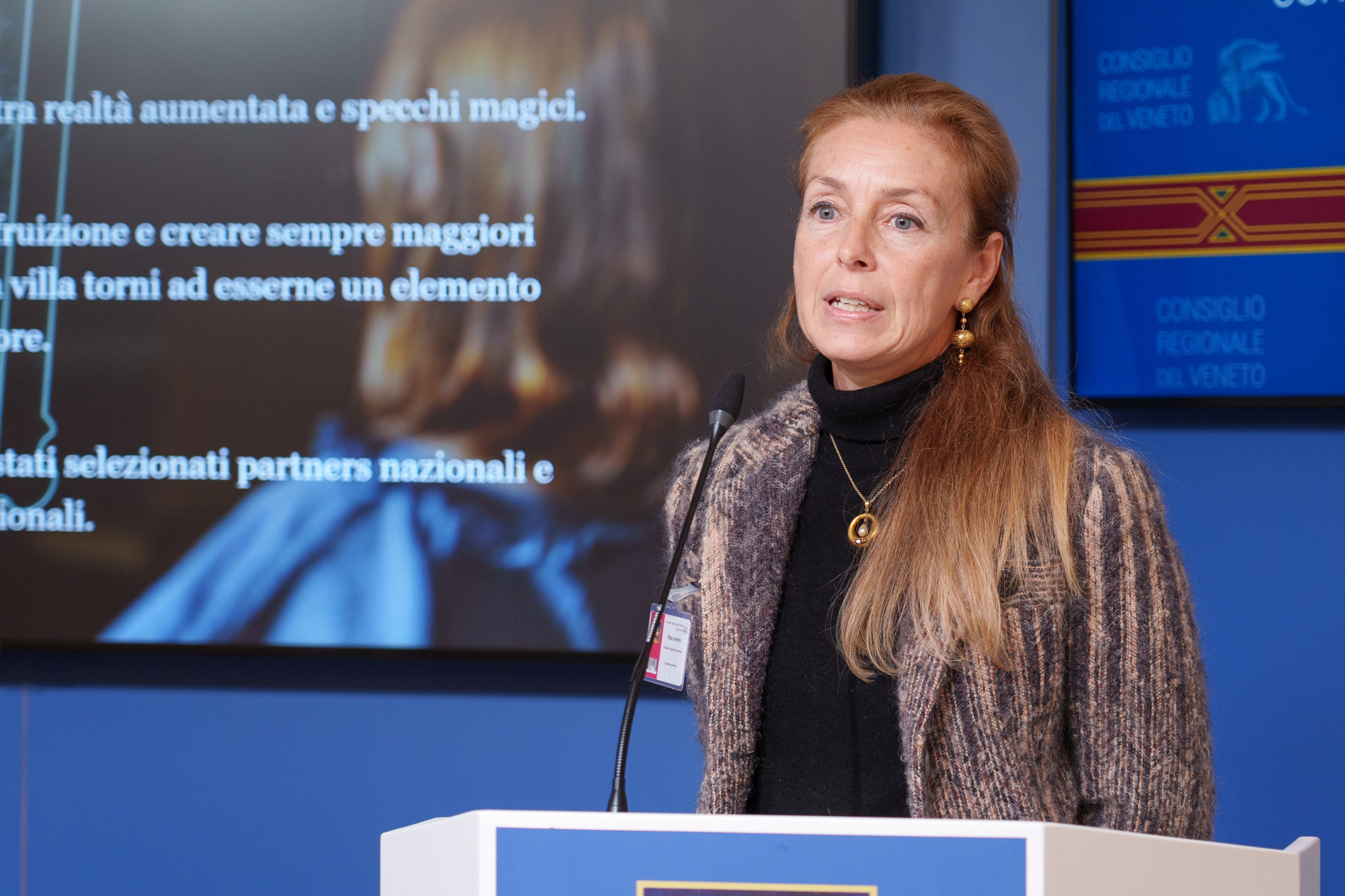
Essential to the Thiene Castle project was the work of Artshell, which implemented the digital archiving of part of the mansion's artistic heritage.
“Digitized collections, no longer confined within museums, archives or private residences, can also become a source of new business models through the creation of innovative products and services, such as virtual tours and online exhibitions”, specified Bernabò Visconti di Modrone, Founder and AD Artshell (Milan).
Realizing this ambitious project required a year of work and an investment of 250,000 euros, partly covered by the Veneto Region under the Veneto ERDF PR 2021-2027. DGR No. 339/2023. Action 1.3.11, Sub Action A.
Innovation in Italian Historic Houses: the commitment of institutions and companies
Cristiano Corazzari, councillor for Culture of the Veneto Region, highlighted how the digitization of cultural heritage is among the priorities. The goal, supported by PNRR funds, is to make the region's artistic and historical heritage accessible to a modern audience.
“In Veneto, digital transformation and the introduction of AI to enhance cultural heritage are taking on an increasingly significant role.”
As explained by Francesca Mandelli, Head of Content Strategy & Storytelling at Dotdotdot, “The true value of this project lies in its ability to tell stories in a contemporary and engaging way, bringing the past to life through new languages and technologies. This innovative approach to storytelling helps attract an increasingly demanding and diverse audience, broadening the accessibility of cultural heritage to a wider public.”
Also contributing to the discussion was Giulio Gidoni, president of ADSI Veneto, who stressed the importance of preserving the past with an eye toward the future, stating,
“We have the task of protecting houses, villas and gardens that encapsulate centuries of history, but it is essential to maintain curiosity about new technologies.”
Dario Peroni, Founder of Weble Srl, highlighted how a holistic approach to promotion is indispensable to ensure an immersive and integrated visitor experience:
“In an interconnected system such as visiting a cultural asset, it is essential that each element of marketing works in synergy to enrich the overall experience.”
Guided tours, cultural events and synergies for sustainable tourism
Luciano Sandonà, President of the Veneto Regional Council Commission, recalled how the Palladian Venetian villas are a unique heritage in need of enhancement:
“We need to incentivize the Venetian Villas circuit, which promotes quality tourism and away from the overcrowding of mass tourism.”
Finally, the contribution of Mafalda Ricca, Founder of VizitAR based in Porto, Portugal, emphasized the role of virtual and augmented reality in enriching the visit. According to Ricca, these technologies create an immersive journey into the past, allowing the historical experience to be relived in an authentic way.
AI and Augmented Reality in Venetian villas: a visitor-friendly evolution
Alessandro Masserdotti, CTO of Dotdotdot of Milan, spoke about using AI to make the visitor experience more complete and engaging. He cited Thiene Castle as a pioneering example of how AI can be used to make visitors relive the feelings of the time when Thiene Castle lived its splendor, the pre-Palladian age.
Masserdotti then recounted Dotdotdot's experience with the DataBugs project, in which AI was precisely employed to raise visitors' awareness of current issues through immersive interactions.
Paolo Giulini, Founding Partner of Culture Sagl and member of the board of UBI Fondazione CAB, also insisted on the importance of a tourism-cultural industrial plan that can enhance lesser-known areas of the country.
Giulini said: “Only a virtuous and quality path will be able to bring Veneto, and Italy, to offer an experience that can attract a diverse audience.”
Technological innovation and enhancement of cultural heritage
The future of Italy's historic residences thus passes through a synergy between technological innovation and historical heritage, enriching the visiting experience and keeping alive the link with the past.
The Italian Historic Houses, thanks to the contribution of institutions and companies such as Dotdotdot, VizitAR and Weble, represent a cutting edge in digital experimentation, with an eye to sustainability and territorial enhancement. The path traced during the Venice conference shows how technological innovation and historical memory can coexist and open the door to a future rooted in our cultural past.
The conference was closed by ADSI National President Giacomo di Thiene, who emphasized how cultural heritage cannot be delocalized and how it constitutes a certain source of employment and sustainable development if adequately supported by a medium- and long-term strategic vision on the part of those who administer territories.
“It is necessary to identify new languages, new forms of communication to make our history relevant and from there build a path for future development. Future that, as we well know, cannot disregard our memory, what we were.”